Repair service guide
Chimney Liner Inspection and Repair
Understand liner identification, internal inspection, repair options and the evidence a proposal should include.
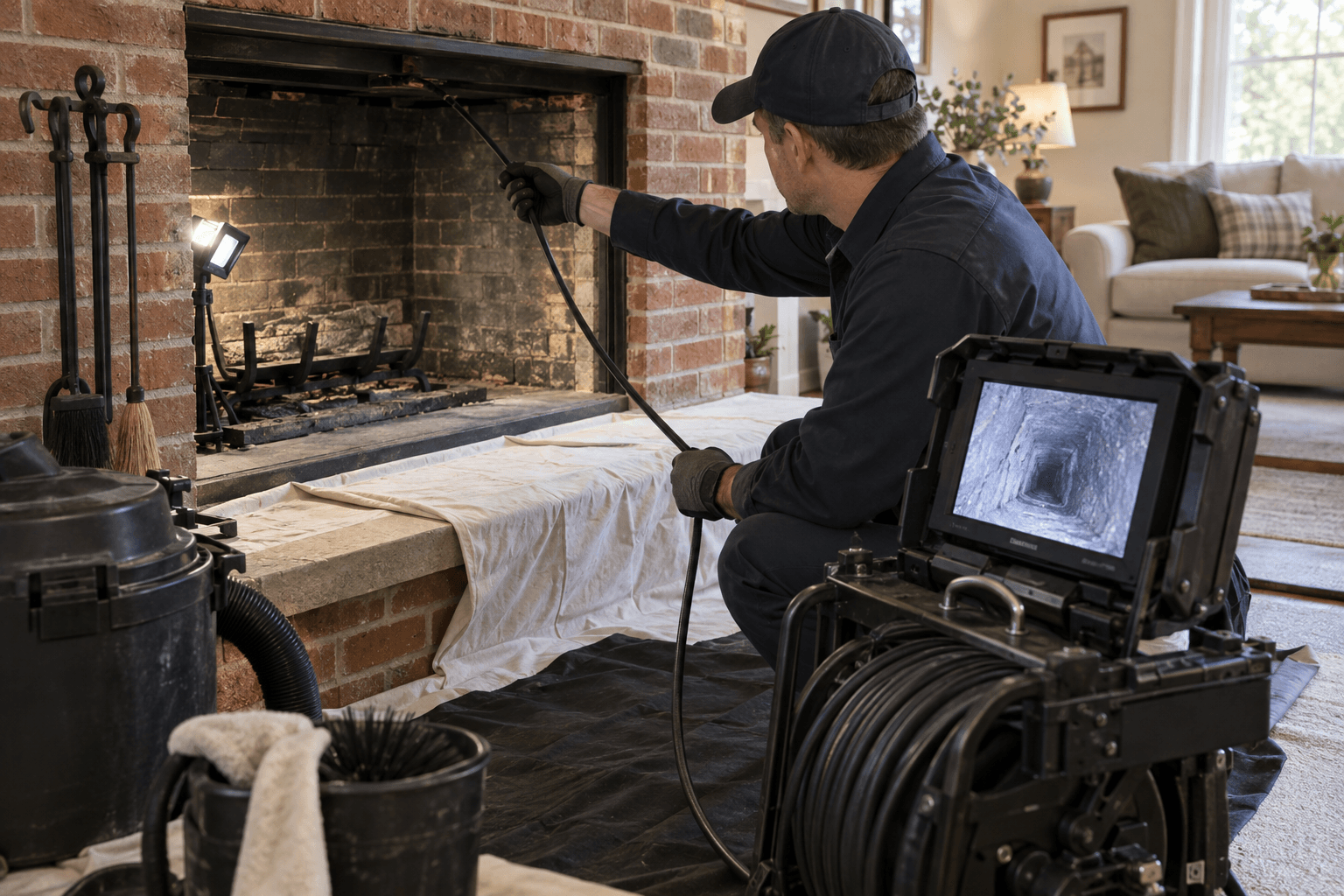
What the service involves
Start with a defined scope
Liner work begins with identifying the existing system, connected appliance, dimensions and observed condition. Repair, relining or replacement options depend on material, defect, venting requirements and local rules; a proposal should connect the method to documented findings.
Routine maintenance, condition assessment and repair are separate scopes even when one company can perform more than one. Ask the professional to distinguish what is included today from work that would require a separate authorization.
When to discuss it
Reasons a homeowner may request this service
- A camera inspection records gaps or damage
- An appliance or fuel is changing
- A chimney fire or event may have affected the flue
- Venting performance requires evaluation
Scope checklist
Details that can change the work
- Existing liner type and dimensions
- Connected appliance requirements
- Documented defect and location
- Repair or replacement method
- Testing, permits and warranty
Before hiring
Questions to ask the professional
- Can you show where the liner is damaged?
- Why does the proposed system suit the appliance?
- What preparation or removal is required?
- What testing or documentation follows the work?
Clear answers
Liner service questions
Does every chimney sweep company provide liner service?
No. Company scopes, equipment and qualifications vary. Confirm the exact service, technician experience and service area before booking.
How should I compare proposals for liner service?
Give each provider the same property details and requested outcome. Compare observations, included work, access, materials, documentation, exclusions, price basis and warranty.
Can this page tell me what my chimney needs?
No. This is general preparation guidance. A qualified professional must assess the appliance and chimney on site.